The Budding Dread Of Marital Inequity in Victor Daniel and Olamide’s “What’s Left of Us”
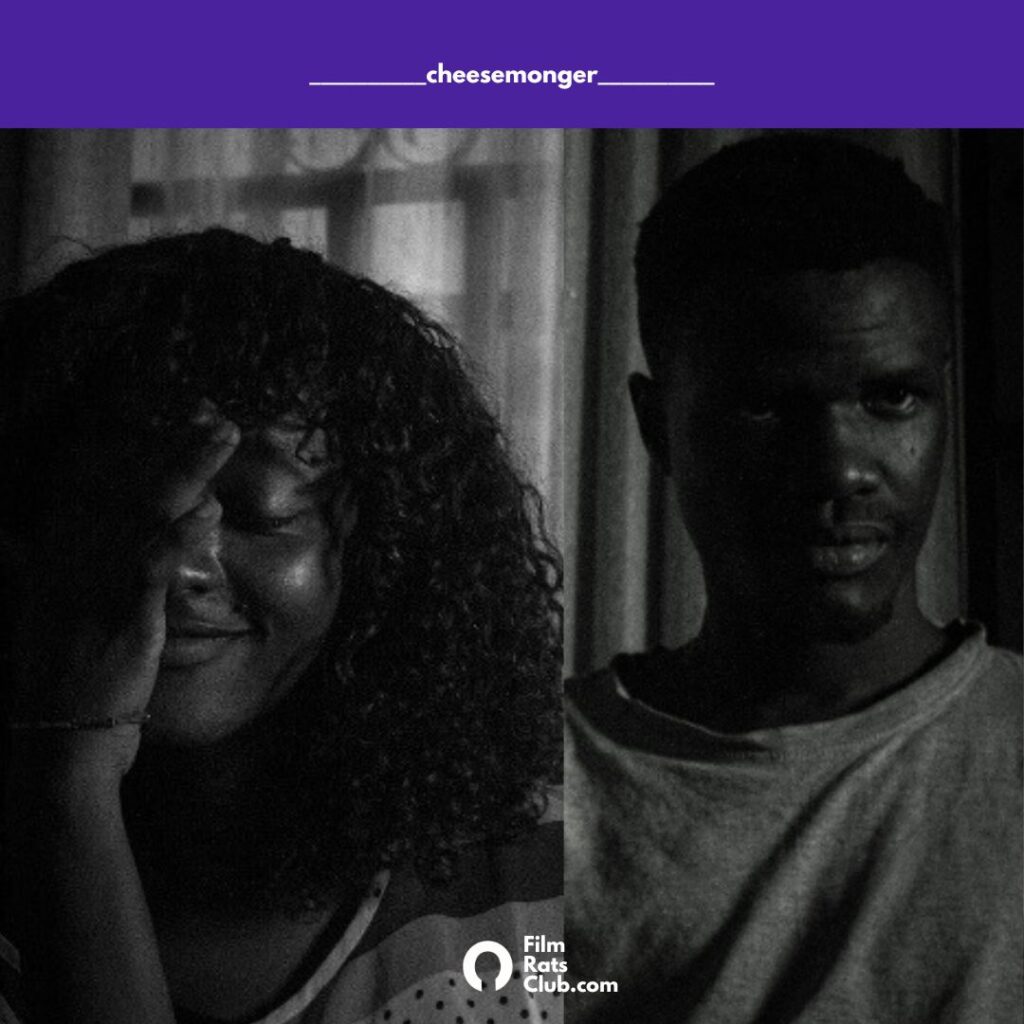
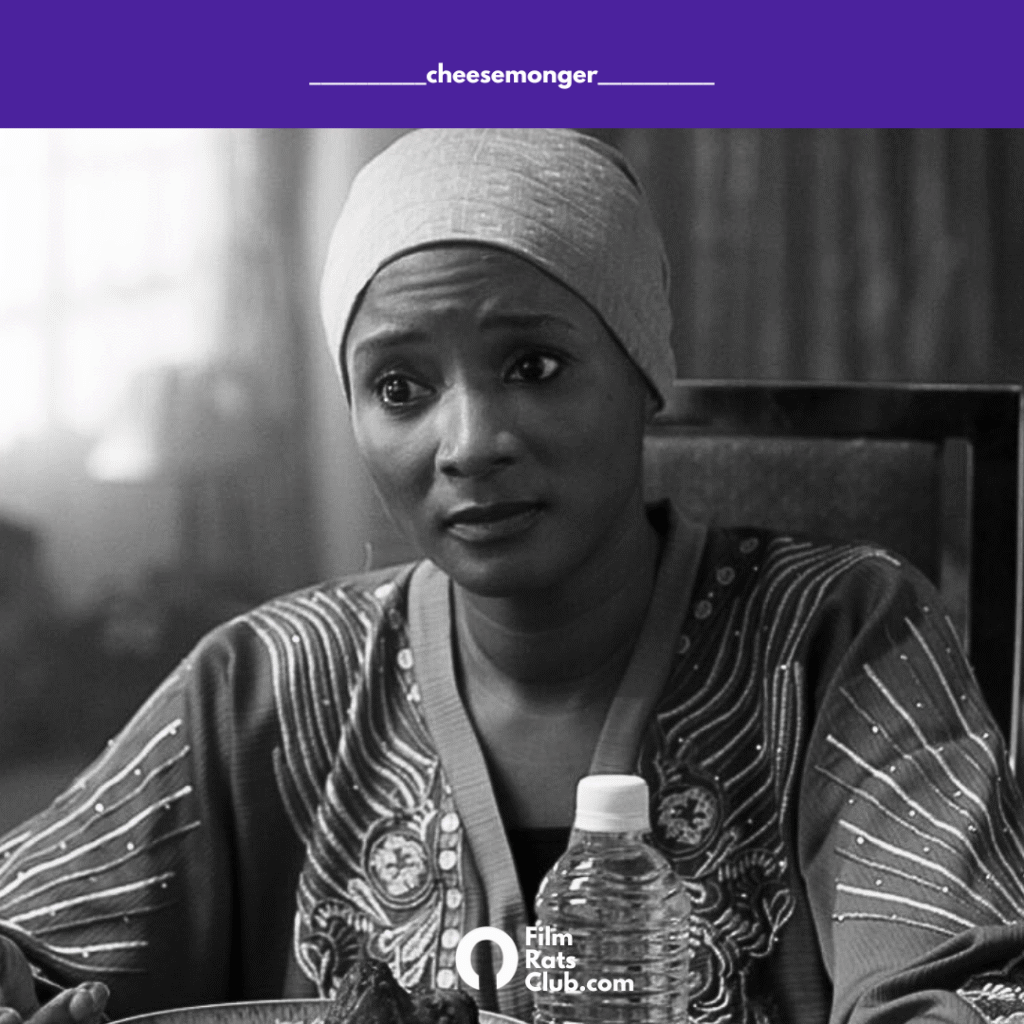
By Chinedu J. Orjiudeh Victor Daniel and Olamide Adio’s co-directed What’s Left of Us, is a thought-provoking short film that explores the fractures of marital trust, gender roles, and female autonomy in contemporary Nigeria. Written by Victor Daniel, created by Anita Eboigbe, and produced by Blessing Uzzi, the film aligns with the evolving narratives of New Nollywood, where young filmmakers can tackle socio-cultural issues with unflinching realness. Moses Ipadeola’s Ekun Iyawo, Chukwu Martin’s Oga Mike, Temi-Ami Williams’ Ireti, and Dika Ofoma’s Something Sweet are some examples. These films engage sociological ideologies through critical evaluation and execution. What’s Left of Us centers on Mariam (Tolu Asanu) and Aliyu (Caleb Richards), a couple trapped in a cycle of resentment and miscommunication. Mariam, exhausted by motherhood and her husband’s neglect, seeks agency over her body and future, while Aliyu clings to patriarchal expectations without agency, demanding more children without addressing Mariam’s emotional or physical labor. The film’s strength lies in its portrayal of Mariam’s quiet rebellion, her confrontation with economic dependency, and her ultimate assertion of self-worth. Aliyu, however, remains an underdeveloped antagonist and a symbol of toxic masculinity rather than a fully realized character. His motivations (beyond entitlement) are unclear, and his affair with Fatima (a younger reflection of Mariam) feels more like a plot device than a meaningful exploration of his dissatisfaction. In this way, the film chooses to create a one-dimensional character obsessed with his authority, with no insight into his role in the marriage’s collapse. The opening scene, which establishes the couple’s internal conflict, sets up the main characters efficiently. The juxtaposition of Mariam’s domestic struggles with Aliyu’s infidelity underscores the imbalance in their relationship. And the casting of Fatima (Joy Sunday) as a younger, carefree version of Mariam suggests Aliyu’s desire to recapture a past dynamic, but this symbolism isn’t fully explored. Fatima’s character is underutilized; her resistance to unprotected sex could have a sharp contrast with Mariam’s past compliance, adding layers to Aliyu’s character. In this case, the film opts to show that Aliyu has been worth Mariam’s loyalty and devotion until he takes his privileges for granted and struggles to reclaim his authority. The counseling scene with the Mallam reinforces these traditional gender roles, framing Aliyu’s rigidity as a product of societal constructs rather than an autonomous entity. Aliyu’s lack of depth weakens the film’s potential for a balanced discourse to impact the male population as well. The film doesn’t engage with this conditioning construct beyond surface-level critique. The climactic argument is powerful, but leans into didacticism, reducing the conflict to a two-fold “men vs. women” debate rather than a nuanced marital breakdown. Mariam’s perspective is clear and precise, while Aliyu’s remains a regurgitation of his stale traditional beliefs. What’s Left of Us’s use of silence speaks volumes about repressed emotions. From hence, every move is heightened, every word is critical, the direction peaks, and the audience hangs on to the suspense until the last moment when Mariam decides to step outside Aliyu’s influence. The final scene implies Mariam’s empowerment, Aliyu remains unnuanced with no reassessment of his previously held beliefs, a stale nature in the wake of his wife’s progressive decisions. The film boldly addresses contraceptives, infidelity, and economic independence —taboo topics in conservative discourses. Mariam’s journey from submission to self-determination is compelling and relatable, especially for Nigerian women navigating the heat of societal expectations. It doesn’t fail to expose a profound realization in the travails of marital expectations. However, questions like – why does he want more children from one woman? How have societal pressures influenced him against his will? Why does he expect his wife to entertain Fatima without recourse? – could have been treated beyond traditional explanations. What’s Left of Us succeeds as an insightful conversation starter on marital inequity and female autonomy, but falls short of exploring the complexities of both partners. It excels powerfully in portraying Mariam’s awakening but reduces Aliyu to a caricature of patriarchy, settling for an unarguably concrete idea that ‘The Woman is not a servant’. A bold and necessary addition to “New Nollywood’s feminist wave”.